

Table of Contents
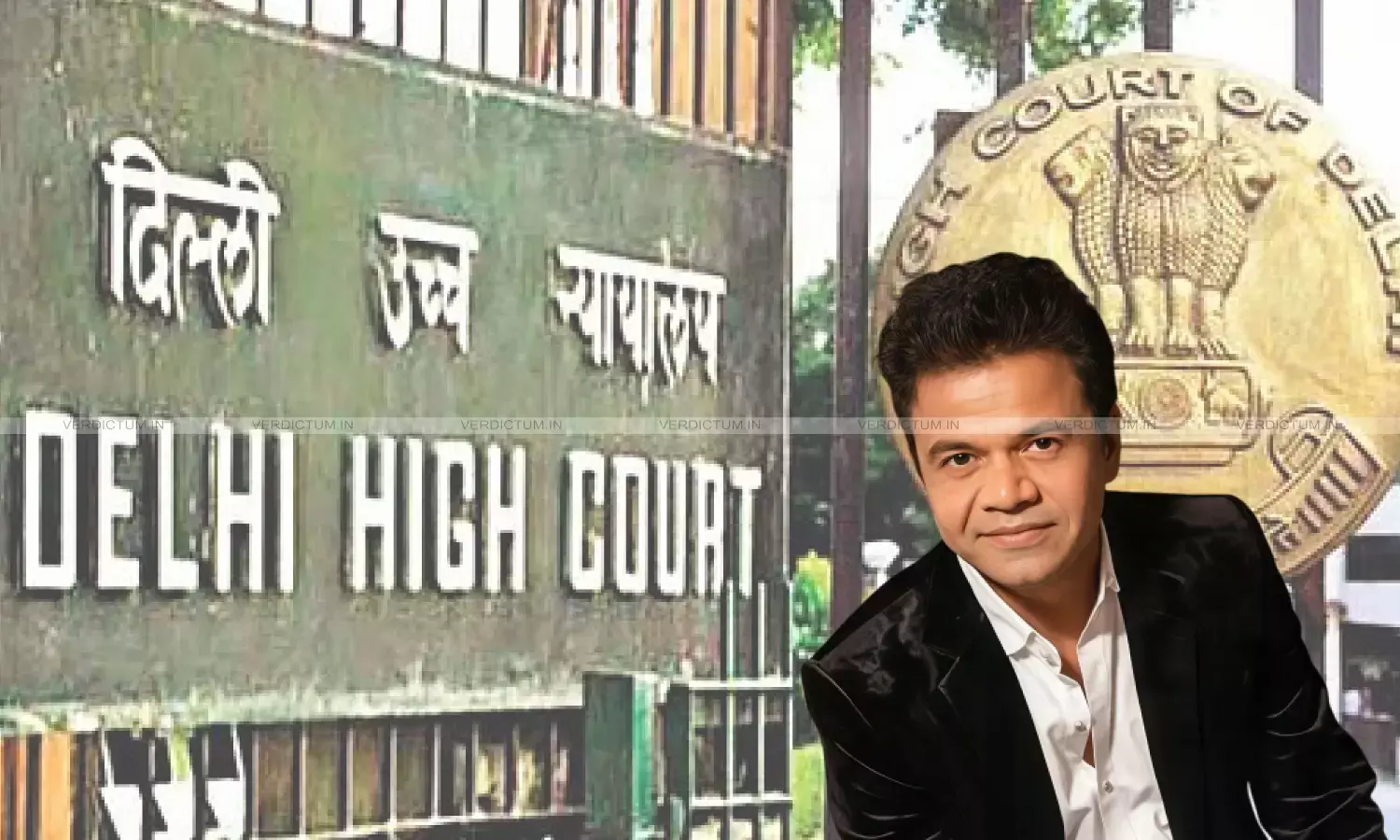
In a significant legal development, the Delhi High Court has rejected actor Rajpal Yadav’s plea seeking additional time in an ongoing cheque bounce case. The court’s firm stance underscores the importance of strict compliance with legal procedures and timelines, principles that form the backbone of an efficient judicial system. The rejection has once again brought attention to the seriousness with which cheque bounce cases are treated under Indian law, regardless of the stature or public profile of the individual involved.
Understanding the Cheque Bounce Case
Cheque bounce cases are considered serious offences in India and are governed under Section 138 of the Negotiable Instruments Act, 1881. Such cases typically arise when a cheque issued by an individual or entity is dishonoured due to insufficient funds or other technical reasons. The law aims to ensure financial discipline and maintain trust in monetary transactions, which are essential for the smooth functioning of business and personal financial dealings.
In Rajpal Yadav’s case, the matter goes beyond a routine financial dispute. As a well-known actor with a long-standing presence in the Hindi film industry, the legal implications extend into the public domain, impacting not only his finances but also his reputation. Cheque bounce cases often carry criminal liability, and prolonged litigation can lead to penalties, fines, or even imprisonment if court directives are not followed. This makes timely compliance with court orders a crucial aspect of such proceedings.
Rajpal Yadav’s plea for additional time was reportedly based on his argument that he required more time to settle the matter. However, the court observed that previous opportunities had already been granted and that the actor had failed to adhere to the conditions laid down earlier. This lack of compliance played a decisive role in the court’s refusal to entertain further delays.
The Court’s Reasoning
The Delhi High Court’s rejection of the plea highlights a fundamental principle of law: justice delayed is justice denied. The court emphasised that legal proceedings cannot be indefinitely prolonged at the request of one party, especially when such delays obstruct the rights of the complainant. Compliance with court orders is not optional but mandatory, and repeated failure to do so reflects poorly on the intent of the accused to resolve the dispute.
By denying Rajpal Yadav additional time, the court sent a clear message that repeated non-compliance will not be tolerated. The judiciary relies on discipline and adherence to timelines to ensure fairness and efficiency. Allowing repeated extensions without sufficient cause could set a problematic precedent, encouraging others to seek unnecessary delays and undermining the credibility of the legal process.
The court also indicated that continued failure to comply with its directions could invite stricter legal consequences. This may include harsher penalties or further legal action, making Yadav’s position increasingly precarious if corrective steps are not taken promptly.
Implications for Rajpal Yadav
For Rajpal Yadav, this development represents a significant legal and personal setback. As a public figure, his actions are closely scrutinised, and ongoing legal troubles can have a direct impact on his professional life. Producers, directors, and collaborators in the entertainment industry often prefer to avoid associations with individuals facing unresolved legal issues, particularly those involving financial disputes.
Beyond professional concerns, such cases also influence public perception. An actor known primarily for his comic roles and on-screen charm may now find his image overshadowed by legal controversies. The cheque bounce case, therefore, poses both immediate legal risks and long-term reputational challenges.
Rajpal Yadav’s next course of action will be crucial. Legal experts suggest that promptly complying with the court’s directives or seeking an out-of-court settlement, if permissible, could help mitigate further damage. Delaying resolution may only compound his difficulties and invite more severe consequences.
Conclusion: The Path Ahead for Yadav
The Delhi High Court’s decision to reject Rajpal Yadav’s plea for additional time marks a pivotal moment in the case. The ruling reinforces the judiciary’s emphasis on accountability, discipline, and respect for the rule of law. It serves as a reminder that legal obligations apply equally to all, irrespective of fame or social standing.
As the case continues to unfold, Rajpal Yadav’s response to this ruling will be closely watched by both the legal community and the public. His ability to address the court’s concerns and resolve the matter efficiently could determine not only the outcome of the case but also the trajectory of his career in the coming months. Ultimately, this episode highlights the broader lesson that adherence to legal processes is essential—and that the consequences of neglecting them can be far-reaching.
Read Next: Peddi Release Date Updated for Ram Charan–Janhvi Film








Leave a comment