

Table of Contents
When it comes to milk, many of us have grown up with cow milk as a staple in our diets. However, camel milk is gaining popularity, particularly in regions where camels are more common. So, Cow Milk Vs. Camel Milk: Which One Is Healthier? Let’s dive into this intriguing comparison and uncover the health benefits, nutritional values, and potential drawbacks of each type of milk.
Understanding the Nutritional Profiles
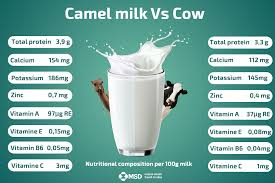
To determine which milk is healthier, we need to look closely at their nutritional profiles. Both cow milk and camel milk offer unique benefits that cater to different dietary needs.
Cow milk is rich in calcium, protein, and vitamins like B12 and D. It’s well-known for its contribution to bone health, making it a favorite among children and adults alike. However, it also contains lactose, which can be difficult for some people to digest.
Camel milk, on the other hand, is gaining attention for its unique composition. It contains lower levels of lactose, making it a potential alternative for those who are lactose intolerant. Additionally, camel milk is high in Vitamin C, iron, and unsaturated fatty acids. This gives it a distinctive edge in promoting immune health and reducing inflammation.
Health Benefits of Cow Milk
Cow milk has been a dietary staple for centuries, celebrated for its rich content of essential nutrients. Here are some notable health benefits:
Cow milk is an excellent source of calcium, crucial for maintaining strong bones and teeth. This is especially important for growing children and elderly individuals at risk of osteoporosis.
It also provides a substantial amount of protein, which is vital for muscle growth and repair. The amino acids in cow milk support various bodily functions, contributing to overall health.
Moreover, cow milk is fortified with Vitamin D in many regions. This vitamin is essential for calcium absorption, ensuring that your body effectively utilizes the calcium you consume.
However, it’s worth noting that some individuals may experience lactose intolerance, leading to digestive issues such as bloating and discomfort. This has led many to explore alternatives like camel milk.
Health Benefits of Camel Milk
Camel milk is often referred to as a superfood due to its impressive array of health benefits. Here’s a look at what makes camel milk stand out:
One significant advantage of camel milk is its lower lactose content. This makes it easier to digest for those who struggle with lactose intolerance, offering a viable dairy alternative.
Camel milk is also rich in antioxidants, which help combat oxidative stress in the body. This can lead to a reduced risk of chronic diseases, including heart disease and diabetes.
Additionally, the high levels of Vitamin C found in camel milk contribute to a stronger immune system. This can be particularly beneficial in preventing infections and enhancing overall health.
Camel milk contains immunoglobulins and enzymes that may have antimicrobial properties, providing added protection against pathogens.
Comparing Taste and Culinary Uses
When it comes to taste, cow milk and camel milk have distinct flavors that can influence how they are used in cooking and baking.
Cow milk has a creamy, slightly sweet taste that many people love. It’s versatile and can be used in a variety of recipes, from coffee to smoothies, and even in sauces and desserts.
Camel milk, on the other hand, has a more earthy flavor profile. This unique taste can be an acquired one, but it pairs wonderfully with spices and can be used in traditional dishes, particularly in Middle Eastern cuisine.
Both types of milk can be enjoyed as beverages, but their flavors may dictate how they’re best used in culinary applications.

The Environmental Impact
Considering the environmental implications of milk production is increasingly important. Cow milk production is often associated with a higher carbon footprint compared to camel milk.
Camels are well-adapted to arid environments and require less water and feed than cows. This makes camel milk production more sustainable in regions where water scarcity is a concern.
As consumers become more environmentally conscious, camel milk may emerge as a preferred choice for those seeking a more sustainable dairy option.
Conclusion: Which One Is Healthier?
So, Cow Milk Vs. Camel Milk: Which One Is Healthier? The answer ultimately depends on individual dietary needs and preferences. Cow milk is a rich source of calcium and protein, while camel milk offers lower lactose content and a plethora of antioxidants.
For those who can tolerate lactose, cow milk can be a nutritious choice. However, for individuals seeking a dairy alternative or those with lactose intolerance, camel milk presents a compelling option.
In the end, both types of milk have their unique health benefits, and incorporating either into your diet can contribute positively to your overall well-being. As always, it’s essential to listen to your body and choose what works best for you.
Do follow UAE Stories on Instagram
read more-https://futuristicindian.com/wp-admin/post.php?post=20195&action=edit








Leave a comment