


In the vibrant tapestry of Indian culture, the role of parents and elders in indian family life is both central and multifaceted. As guardians of tradition and custodians of wisdom, they shape the values, beliefs, and practices that define Indian families. This article delves into how these familial figures contribute to both the maintenance of cultural traditions and the navigation of modern challenges, creating a delicate balance that sustains family bonds.
The Traditional Framework of Indian Family Life
The structure of Indian families is often rooted in tradition, where parents and elders play pivotal roles. Traditionally, families are extended units, encompassing not just immediate members but also grandparents, aunts, uncles, and cousins. This setup fosters a sense of community and shared responsibility, where elders are revered for their life experiences and insights.
Parents serve as the primary educators of cultural customs, teaching children rituals, festivals, and moral values. They instill a sense of identity and belonging, ensuring that younger generations remain connected to their heritage. This role is particularly significant during key life events such as weddings, festivals, and rites of passage, where elders lead by example and guide the younger ones through the customs.
Elders as Pillars of Wisdom and Guidance
In Indian family life, elders are often seen as the pillars of wisdom. Their experiences in navigating life’s challenges provide invaluable lessons for younger members. Elders not only share stories from their past but also offer practical advice related to personal and professional growth. This mentorship is crucial in helping children make informed decisions as they face modern dilemmas.
Moreover, the emotional support that elders provide cannot be overstated. They are often the confidants of younger family members, offering a listening ear and a comforting presence. This emotional bond strengthens family ties, creating an environment where members feel safe to express their thoughts and feelings.
Parents: The Balancers of Tradition and Change
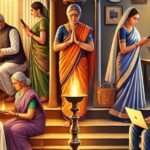
While parents uphold traditions, they also adapt to the ever-evolving landscape of modern life. The role of parents in Indian families has transformed significantly, especially with the influence of globalization and technology. They strive to balance their cultural heritage with contemporary values, teaching their children to respect tradition while embracing modernity.
For instance, many parents encourage education and career aspirations for their children, which may differ from traditional expectations. This shift signifies an acknowledgment of the changing world and a desire for their children to thrive in it. By blending traditional teachings with modern principles, parents create an enriching environment that prepares their children for the future.
The Importance of Communication
Effective communication within the family is essential for maintaining harmony and understanding. Parents and elders must foster an environment where open dialogue is encouraged. This approach allows younger generations to express their thoughts and concerns while also respecting the wisdom of their elders.
Through regular conversations, families can bridge the gap between generations. Elders can share stories that highlight the importance of cultural values, while younger members can introduce fresh perspectives and ideas. This exchange not only enhances mutual respect but also fosters a deeper connection among family members.
Celebrating Festivals: A Convergence of Cultures
Indian festivals serve as a vivid illustration of the role of parents and elders in family life. These celebrations offer a platform for families to come together, reinforcing bonds while honoring traditions. Elders often take the lead in organizing rituals, sharing stories of their significance, and imparting cultural values to the younger generation.
During festivals, parents and elders work in tandem to ensure that festivities are both joyous and meaningful. They teach children about the historical and cultural significance of these events, ensuring that their legacy continues. This blend of celebration and education highlights the crucial role that elders and parents play in keeping traditions alive.
Navigating Modern Challenges: The Family’s Role
In today’s fast-paced world, Indian families face numerous challenges, including career pressures, educational demands, and the influence of technology. The role of parents and elders becomes even more vital in this context as they provide guidance and support during turbulent times.
Parents, equipped with their understanding of both traditional values and modern realities, can help their children navigate these challenges. They can teach resilience, adaptability, and the importance of maintaining a work-life balance. Elders, with their wisdom, can offer insights that help families remain grounded amidst external pressures, reinforcing the importance of familial bonds.

Fostering Respect and Love Across Generations
The relationship between parents, elders, and younger family members is built on a foundation of respect and love. Parents are tasked with nurturing this dynamic, ensuring that children understand the value of honoring their elders. This cultural aspect is deeply ingrained in Indian society, where respect for age and experience is paramount.
Elders, in turn, must reciprocate this respect by being open to the ideas and aspirations of younger generations. By doing so, they foster an atmosphere of mutual admiration that enriches family life. This two-way respect not only strengthens relationships but also cultivates a sense of unity within the family.
The Future of Family Dynamics in India
As Indian society continues to evolve, the roles of parents and elders will also adapt. The integration of technology and changing social norms will influence how families operate. However, the core values of respect, love, and tradition will likely remain steadfast.
Parents will need to embrace new methods of communication and education, while elders may find ways to engage with technology to share their wisdom. This adaptability will be crucial in ensuring that Indian families continue to thrive in a rapidly changing world.
Conclusion: The Timeless Role of Parents and Elders
The role of parents and elders in Indian family life is a beautiful blend of tradition and modernity. They are the anchors that connect generations, ensuring that cultural values are passed down while also allowing for growth and adaptation. As families navigate the complexities of contemporary life, the wisdom and guidance of these figures will remain invaluable.
In a world that is constantly changing, the enduring influence of parents and elders serves as a reminder of the importance of heritage, love, and family bonds. Their roles are not just about maintaining traditions but also about fostering a nurturing environment where every member can thrive.
Do follow UAE Stories on Instagram
Read More – Dubai Educational Service Expansions: Shaping Future Learnin






Leave a comment